Cool Duck with Float Embroidery: A Pro Review
As an embroidery designer who has spent years digitizing files for small business merchandise, I approach every new machine embroidery design with a critical eye. It is not just about whether a motif looks cute on a screen; it is about how it performs under the needle, how it holds up after washing, and how it elevates a brand’s identity. Recently, I reviewed Cool Duck with Float Embroidery, a digital file that promises to enhance fabrics with a touch of fun and charm. For boutique owners, Etsy sellers, and apparel decorators, this design offers a unique opportunity to inject personality into summer collections and everyday branded goods.
First Impressions: Playful Yet Professional
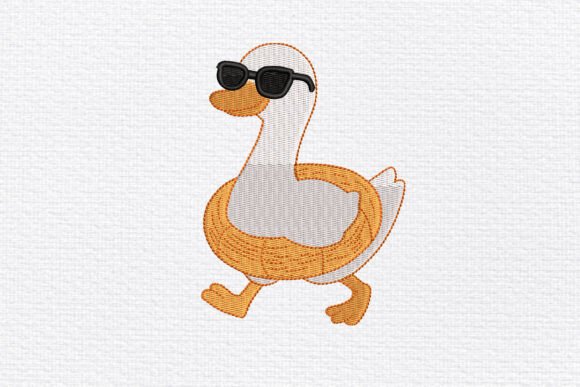
The immediate visual impact of Cool Duck with Float Embroidery is one of approachable whimsy. In the world of commercial embroidery, striking a balance between playful and professional is difficult. Many novelty designs feel too juvenile for high-end retail, while corporate logos can feel sterile. This design lands in a sweet spot. The imagery suggests a relaxed, friendly vibe, making it ideal for brands that want to appear accessible and warm. Whether you run a local café, a pet grooming studio, or a handmade soap shop, this motif communicates a sense of ease and joy.
From a technical standpoint, the title implies a "float" element, which often suggests layered stitching or a specific textural effect. This adds depth to the finished product, moving it beyond a flat, basic outline. For a small business owner, this perceived complexity increases the perceived value of the item. Customers are more likely to pay a premium for merchandise that looks intricate and well-crafted, rather than mass-produced.
Real-World Applications for Small Business Merch
When evaluating a new embroidery file, I always ask: where does this live on a product? Versatility is key for maximizing return on investment. Here is how Cool Duck with Float Embroidery performs across various commercial applications:
- Embroidered Patches: This is perhaps the strongest use case. A patch allows for dense stitching and clean edges. You can create iron-on or sew-on patches for customer gifts or as add-ons for tote bags. The design’s charm makes it a collectible item for fans of your brand.
- Staff Uniforms and Aprons: For cafes, bakeries, or florists, staff apparel is walking advertising. Placing this design on the chest pocket of an apron or the sleeve of a work shirt adds a human touch to the uniform. It breaks the monotony of solid colors and invites conversation with customers.
- Cap Embroidery: Caps are high-margin items for any merch line. However, curved surfaces require careful digitizing. If the design is compact, it works beautifully on the front panel of a baseball cap, offering a subtle brand accent that isn’t overpowering.
- Tote Bag Design: Canvas totes are staples for eco-friendly brands. The sturdy texture of canvas handles higher stitch counts well. This design can serve as a central focal point or a corner detail, enhancing the bag’s aesthetic appeal without compromising durability.
Technical Considerations and Production Notes
While the aesthetic appeal is strong, successful production depends on technical execution. As a designer, I advise caution when scaling this design for very small applications. Detailed outlines and complex fills can become muddy if reduced too much. Always check the recommended hoop size provided with the digital embroidery file. If the file includes multiple sizes, test the smallest one on a scrap piece of fabric similar to your final product.
Stitch density is another critical factor. If the "float" element involves heavy saturation, ensure you are using the correct stabilizer. For stretchy fabrics like t-shirts, a cut-away stabilizer is often necessary to prevent puckering. For woven materials like towels or home decor items, a tear-away may suffice, but testing is non-negotiable. The product description mentions towels, which have a looped fabric texture that can swallow small stitches. In such cases, using a water-soluble topping can help the needle penetrate cleanly and keep the design crisp.
Color selection also plays a pivotal role. While the design may come with suggested thread colors, do not be afraid to adapt them to your brand identity. High contrast is essential for visibility. If you are embroidering on dark uniforms, ensure the duck and float elements use bright, bold threads that stand out. Conversely, for a subtle, premium look on light-colored linen, consider monochromatic tones that rely on texture rather than color contrast.
Enhancing Brand Identity and Customer Trust
In the competitive landscape of small business merch, consistency builds trust. Using a distinctive design like Cool Duck with Float Embroidery across multiple touchpoints creates a cohesive visual language. When a customer sees the same charming duck on their tote bag, their coffee apron, and their social media printable mockup, it reinforces brand recognition.
Moreover, high-quality embroidery signals professionalism. Sloppy stitching or poorly chosen designs can detract from a brand’s reputation. By investing time in testing and perfecting the application of this design, you signal to your customers that you care about quality. This attention to detail fosters loyalty and encourages repeat purchases. It transforms a simple transaction into an emotional connection, as customers feel they are buying into a brand that values craftsmanship and fun.
Practical Steps Before Full Production
Before launching this design as part of your small business merch lineup, follow these professional steps:
- Test in Black and White: Print or stitch the design in single-color thread first. This reveals the structural integrity of the digitizing without the distraction of color. If it looks good in black and white, it will look great in color.
- Check Commercial Licensing: Always confirm the license terms included with the digital embroidery file. Ensure you have the right to use the design for physical goods sold for profit. Never assume; always read the documentation.
- Create Client Mockups: If you are doing custom work for clients, create a realistic printable mockup showing the design on their specific garment. This manages expectations and reduces revision rounds.
- Compare with Existing Assets: Place this design alongside your current logo and other design assets. Does it complement your existing visual style? Consistency is key to a polished brand presentation.
In conclusion, Cool Duck with Float Embroidery is a versatile asset for any creative entrepreneur looking to add personality to their product line. It bridges the gap between playful decoration and professional branding. By paying attention to technical details like stabilizer choice, stitch density, and fabric texture, you can ensure that every finished product meets the high standards your customers expect. Whether used for custom apparel, home decor, or promotional gifts, this design has the potential to become a signature element of your brand’s summer collection and beyond.