Ethnic Woman Portrait Embroidery Review
As an embroidery designer who has spent years digitizing and reviewing files for commercial use, I approach every new machine embroidery design with a critical eye. It is not enough for a design to simply look pretty on a screen; it must perform under the needle, hold up to washing, and serve a strategic purpose for the brand using it. Today, I am reviewing the Ethnic Woman Portrait Machine Embroidery, a piece that sits at the intersection of cultural celebration and modern aesthetic appeal. This review is tailored for small business owners, Etsy sellers, and apparel decorators looking to elevate their branded merchandise with meaningful, high-quality visuals.
First Impressions: Elegance Meets Cultural Depth
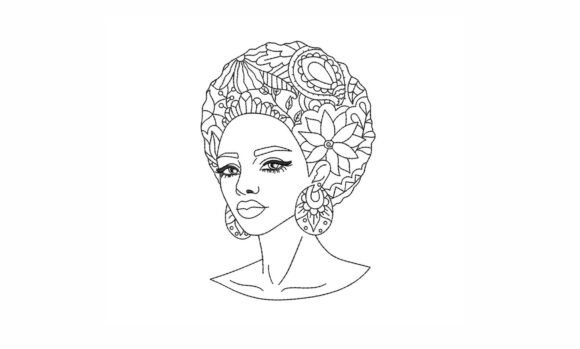
The first thing that strikes me about the Ethnic Woman Portrait Machine Embroidery is its inherent elegance. The description highlights an elegant woman adorned with floral and ornamental patterns in her hair and earrings. Visually, this suggests a design that is less about bold, aggressive branding and more about storytelling and sophistication. For businesses in the Beauty sector, such as boutique salons, organic skincare brands, or holistic wellness studios, this design communicates a sense of care, tradition, and natural beauty.
The inclusion of floral elements is a smart design choice. In Embroidery, flowers often provide a softer transition between color blocks, helping to mask minor stitching inconsistencies while adding texture. The portrait style implies a level of detail that can feel premium and handmade, distinguishing it from generic clip-art styles often found in low-cost digital packs. However, this elegance comes with a responsibility: the digitizer must have balanced the stitch count to ensure the facial features remain clear without becoming a dense, stiff patch.
Strategic Applications for Small Business Merch
For a small business, every inch of fabric is real estate for brand identity. Here is how I envision this design performing in real-world commercial applications:
- Branded Patches: This is arguably the strongest use case. An embroidered patch featuring this portrait can be sewn onto denim jackets, canvas tote bags, or linen aprons. Patches allow for higher stitch density and finer detail than direct-to-garment embroidery, making them ideal for portrait work.
- Staff Uniforms and Aprons: For a boutique café or a florist, placing this design on the chest pocket of an apron embroidery project adds a touch of artistic flair. It transforms a standard uniform into a statement piece that customers notice and appreciate.
- Tote Bag Design: Canvas totes are a staple for small business merch. The floral and ornamental patterns in the hair can complement the natural texture of canvas, creating a cohesive, earthy aesthetic that appeals to eco-conscious consumers.
- Cap Embroidery: While possible, this requires caution. A portrait design on a curved cap front can distort if not properly scaled. It works best as a side-panel accent rather than a full-front centerpiece, unless the design is simplified for smaller hoop areas.
Navigating Technical Challenges and Fabric Textures
While the artistic merit of the Ethnic Woman Portrait Machine Embroidery is high, technical execution is where many designers stumble. Portrait designs are notoriously difficult because they rely on subtle shading and fine lines to convey expression. When evaluating this digital embroidery file, you must consider the following technical constraints:
Stitch Density and Fabric Texture: If the design has high stitch density, it may pucker lightweight fabrics like silk or thin cotton. For delicate items, I recommend using a cut-away stabilizer to support the weight of the stitches. Conversely, on heavy fabrics like denim or twill, ensure the underlay stitches are sufficient to prevent the design from sinking into the fabric texture.
Scale and Detail: One common mistake is shrinking a detailed portrait too small. If you intend to use this as a small logo on a shirt collar or a tiny tag, the facial features and ornamental earrings may merge into a blob of thread. Always check the recommended hoop size provided by the designer. If the file is intended for a 5x7 or 6x10 hoop, do not attempt to shrink it down to a 4x4 area without testing.
Thread Colors: The success of this design hinges on thread colors. Skin tones require careful blending. I advise running a test stitch-out using the exact thread brands you plan to sell with. Rayon threads offer a sheen that enhances the "elegance" described in the product details, while polyester offers durability for items that will be washed frequently.
Enhancing Brand Identity and Customer Trust
In today’s market, consumers buy into stories, not just products. Using a design like the Ethnic Woman Portrait Machine Embroidery signals that your brand values culture, artistry, and individuality. For handmade brands and Etsy sellers, this design acts as a visual anchor for your brand identity. It suggests that your custom apparel or accessories are not mass-produced but crafted with intention.
When customers see a well-executed portrait embroidery, it builds trust. It shows attention to detail and a willingness to invest in quality design assets. This perceived value allows you to price your finished product higher. A simple tote bag becomes a collector’s item; a plain apron becomes a chef’s signature garment. The emotional connection fostered by such imagery can significantly boost buyer engagement and loyalty.
Practical Designer Notes for Production
Before you integrate this design into your production line, follow these steps to ensure professional results:
- Test in Black and White: Before committing to colorful threads, stitch out the design in black thread on white fabric. This reveals the structural integrity of the digitizing. If the face looks distorted in monochrome, it will look worse in color.
- Check Commercial Licensing: Always confirm the license terms. Ensure the commercial embroidery rights allow you to sell physical items made with this file. Some designers restrict the number of units you can produce.
- Create a Printable Mockup: Use a printable mockup to visualize the design on different products. Place it on a digital image of an apron, cap, or tote to see if the scale feels right relative to other brand elements.
- Stabilizer Selection: Do not skimp on stabilizer. For portrait designs, a medium-weight cut-away is usually safest. Test on scrap fabric first to check for puckering.
- Client Approval: If you are doing custom work for a client, show them a stitched sample, not just a digital preview. Thread shine and texture change the look significantly.
Final Verdict for Business Use
The Ethnic Woman Portrait Machine Embroidery is a strong contender for businesses aiming to project warmth, culture, and sophistication. It is not a generic logo; it is a piece of art that requires respectful handling. By paying attention to stabilizer choices, scaling, and thread quality, you can transform this embroidery file into a standout feature of your product line. Whether used for cap embroidery, decorative patches, or upscale tote bag design, it offers a unique way to connect with customers on an emotional level. Just remember to verify the specific file formats and hoop sizes before purchase, as these technical details are crucial for a smooth production process.