Mexican Doll Embroidery Design Review
As an embroidery designer who has spent years digitizing for small businesses and boutique brands, I approach every new machine embroidery design with a critical eye. It is not enough for a file to look cute on a screen; it must perform under the needle, hold up in the wash, and elevate the brand it represents. Today, I am reviewing the Mexican Doll Embroidery Design, a file that promises to bring a touch of Mexican culture to various projects through its colorful ribbons, traditional dress, and charming details. For shop owners, Etsy sellers, and apparel decorators, understanding how this design translates from a digital asset to a physical finished product is crucial for maximizing its commercial value.
First Impressions: Visual Personality and Brand Fit
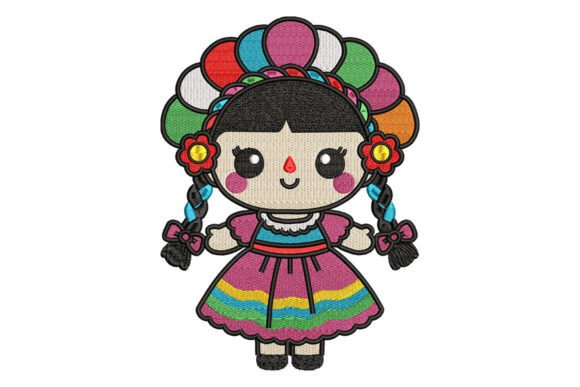
The immediate impression of the Mexican Doll Embroidery Design is one of warmth and cultural celebration. The inclusion of traditional dress and vibrant ribbons suggests a playful yet respectful nod to heritage. In the context of branding, this design does not scream "corporate minimalism." Instead, it leans heavily into the handmade, artisanal aesthetic. This makes it an excellent candidate for businesses that want to project friendliness, creativity, and community connection.
For a bakery, a florist, or a local craft studio, this design feels authentic. It avoids the sterile look of generic clipart, offering instead a sense of story. However, for high-end luxury brands or strict corporate uniforms, the playful nature of the doll might feel too casual. The key here is alignment. If your brand identity relies on approachability and cultural appreciation, this design is a strong contender. If your brand is strictly modern-industrial, you may need to reconsider its placement or scale.
Real-World Applications for Small Business Merch
When evaluating a digital embroidery file for commercial use, I always map out where it will live on the garment or accessory. The Mexican Doll Embroidery Design offers versatility, but some applications yield better results than others.
Embroidered Patches and Product Labels
This is perhaps the strongest use case. An embroidered patch allows for controlled production. You can stitch these in batches on stable fabric, cut them out, and apply them later. This is ideal for small business merch like tote bags, denim jackets, or canvas aprons. The detailed ribbons and dress elements provide a focal point that draws the eye, making the patch a collectible item rather than just a logo. For Etsy sellers, offering this as a standalone patch or as an add-on to a purchase increases perceived value.
Custom Apparel and Uniforms
For cafés and boutiques, staff uniforms are walking billboards. Placing this design on the chest pocket area of a work shirt or apron creates a friendly face for the business. Apron embroidery benefits from the colorful thread palette, breaking up the monotony of solid-colored fabrics. However, caution is needed with cap embroidery. The curved surface of a baseball cap can distort detailed designs. If you choose to place the doll on a cap, ensure the size is reduced appropriately and that the stitch direction follows the curve to prevent puckering.
Tote Bags and Event Merch
A tote bag design featuring this doll can serve as a memorable customer gift or a retail item. The larger surface area of a tote allows the design to breathe, showcasing the intricate details of the traditional dress. For events, such as cultural festivals or local markets, this design acts as a conversation starter, enhancing buyer engagement and reinforcing the community-focused vibe of your brand.
Technical Considerations and Production Notes
While the aesthetic appeal is high, the technical execution determines the professionalism of the final output. As a designer, I recommend several steps before running this file on a client’s expensive garments.
- Check Stitch Density: Designs with many color changes and detailed elements like ribbons can have high stitch density. High density on lightweight fabrics can cause pulling or distortion. Always test on a scrap piece of the actual fabric you intend to use.
- Stabilizer Selection: Given the likely complexity of the doll’s dress and accessories, using the correct stabilizer is non-negotiable. A cut-away stabilizer is often best for garments that will be washed frequently, ensuring the design remains flat and secure.
- Thread Color Contrast: The description mentions colorful ribbons. Ensure your thread inventory matches the intended vibrancy. Poor contrast between the thread and the fabric can make the design look muddy. Test the design in black and white first to check for clarity in shape and form.
- Hoop Size and Placement: Confirm the required hoop size before purchasing. If the design is large, you may need a 5x7 or larger hoop. For smaller applications, like a left-chest logo, ensure the details do not become indistinguishable blobs when scaled down.
Where to Use Caution
Not every surface is suitable for this level of detail. Avoid placing this design on highly textured fabrics like thick terry cloth or loose-knit sweaters without significant stabilization and backing, as the fine lines of the ribbons may get lost. Additionally, be wary of using it on items that undergo industrial laundering with harsh chemicals, as vibrant thread colors may fade faster than standard polyester threads if low-quality rayon is used.
If you are considering this for custom apparel with tiny lettering nearby, ensure there is enough negative space around the doll. Crowding the design with text can reduce readability and make the embroidery look cluttered. The doll should stand alone as the hero element.
Impact on Brand Identity and Customer Trust
Using a culturally specific design like the Mexican Doll Embroidery Design can significantly boost brand identity if done respectfully. It signals that the business values diversity and artistry. Customers often associate handmade, embroidered details with higher quality and care. This perception increases trust and can justify a higher price point for your handmade product lines.
Consistency is key. If this design becomes part of your visual language, use it across various touchpoints—packaging inserts, social media graphics, and physical merchandise. Creating a printable mockup before production helps visualize this consistency. It allows you to see how the design assets work together, ensuring that the doll does not clash with other brand elements.
Final Verdict for Commercial Embroidery
The Mexican Doll Embroidery Design is a robust option for businesses looking to add personality and cultural flair to their offerings. It excels in applications where detail can be appreciated, such as patches, tote bags, and aprons. However, success depends on technical diligence. Always verify the file format, stitch count, and license terms provided by the creator. Ensure you have the right commercial rights before selling products featuring this design.
For embroidery shops and merch creators, this file represents more than just a pattern; it is a tool for storytelling. By paying attention to fabric texture, stabilizer choice, and placement, you can transform this digital file into a tangible asset that drives customer engagement and enhances your professional reputation. Whether you are decorating uniforms for a local café or creating unique gifts for an online store, this design offers the charm and quality needed to stand out in a crowded market.