Review: Funny Sheep Embroidery Design for Craft Fairs
As an embroidery designer who has spent countless weekends behind a booth table, I know that not every machine embroidery design is created equal. Some look beautiful on a screen but fail to capture attention in person. Others are so complex they take hours to stitch, eating into your profit margins. Today, I am reviewing the Funny Sheep Embroidery Design with a specific goal in mind: determining its viability as a high-converting craft fair product.
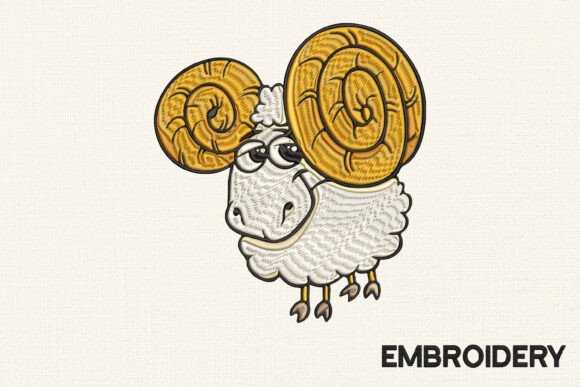
This design falls under the Farm Animals category, a perennial favorite in the handmade market. The premise is simple yet effective: a humorous take on sheep imagery that appeals to a wide demographic, from rural homesteaders to urban customers looking for a touch of whimsy. Let’s break down how this embroidery file performs when translated into tangible goods.
First Impressions and Visual Appeal
The first thing I look for in a new design is immediate readability. At a busy craft fair, you have seconds to catch a passerby’s eye. The Funny Sheep Embroidery Design leans heavily into the "cute" and "funny" aesthetic. It does not try to be overly elegant or minimal; instead, it embraces a rustic, approachable charm. This is crucial for small shop products because it feels accessible. It invites a smile, which is often the first step toward a sale.
The visual weight of the design suggests it works best as a focal point rather than a subtle accent. When I imagine this stitched out, the humor relies on clear lines and recognizable shapes. If the design includes text, it must be large enough to read from three feet away. For Etsy sellers creating printable mockups, this clarity translates well into digital listings, allowing potential buyers to instantly grasp the joke or theme without zooming in excessively.
Product Versatility and Market Fit
Versatility is key to maximizing the return on investment for any digital embroidery file. The description notes that you can embroider this design on clothes, baby’s onesies, home decor, t-shirts, tablecloths, kitchens, towels, and more. Here is how I would strategically deploy this design across different product lines:
- Tote Bags and Market Bags: A canvas tote is the perfect canvas for this design. The sturdy fabric handles higher stitch density well, and the large surface area allows the sheep character to shine. This is a high-margin item that sells consistently at fairs.
- Apron Embroidery: Kitchen-themed items are massive sellers. Placing the funny sheep on the bib of a cotton apron creates an instant gift item for hosts and home cooks. It adds personality to a utilitarian object.
- Tea Towel Embroidery: This is where caution is needed. Towels have a looped fabric texture that can swallow small details. If the sheep design has fine lines, it may get lost. However, if the design is bold, it makes for a charming set of two or four, encouraging bundle sales.
- Embroidered Patches: Patches are low-commitment purchases for browsers. If the design scales down well without losing its humorous expression, it can be ironed onto denim jackets or backpacks, appealing to a younger demographic.
- Caps and Hats: Curved surfaces are tricky. The design must be narrow enough to fit within the standard cap frame without distortion. If the sheep is too wide, it will wrap around the curve and look warped. Check your hoop size compatibility before committing to a batch of hats.
Production Practicality for Batch Selling
When preparing for a weekend market, time is money. A design that takes four hours to stitch is rarely viable for volume production unless you charge a premium price. The Funny Sheep Embroidery Design appears to be structured for efficiency. Assuming the stitch count is moderate, it allows for quick turnaround times. This is essential for commercial embroidery operations where you need to replenish stock frequently.
Batch production also requires consistency. I recommend testing the design on scrap fabric first. Pay close attention to thread breaks and tension. If the design has dense areas, ensure your stabilizer choice matches the fabric weight. For lighter fabrics like t-shirts or onesies, a cut-away stabilizer might be necessary to prevent puckering, whereas a tear-away might suffice for sturdy tote bags.
Color Strategy and Thread Choices
The success of this design largely depends on thread colors. Sheep are traditionally white or cream, but stitching white on white fabric is invisible. You need contrast. I suggest using natural ecru or off-white thread on darker fabrics like navy, charcoal, or forest green. Alternatively, embrace the "funny" aspect by using unconventional colors—perhaps a pastel pink or bright blue sheep—to make the product pop on a crowded display table.
For finished products intended as gifts, neutral tones often sell better because they match more home decors. However, having one or two "statement pieces" in vibrant colors can draw attention to your booth from a distance.
Technical Considerations and Careful Use
Before you list this as a handmade product, there are technical hurdles to clear. Not all embroidery machines handle every file format equally. Ensure you have the correct format for your machine (such as PES, DST, or JEF). The product description states: "This machine embroidery design comes with." It is vital to verify exactly which formats are included in the download package.
Additionally, consider the scale. If you plan to use this on baby onesies, the design must be small enough to fit comfortably on the chest without irritating the skin. Large, dense stitches can feel stiff against a baby’s neck. Always test the hand-feel of the back of the embroidery. If it is scratchy, consider using a soft backing or limiting the design size.
Dark fabrics present another challenge. If the design relies on light threads, you may need to use a white underlay or stabilizer to prevent the dark fabric from showing through the stitches. This adds production time but significantly improves the professional look of the embroidery file output.
Boosting Brand Consistency and Buyer Engagement
Using a cohesive theme like Farm Animals helps build brand recognition. If your booth features multiple sheep-themed items, along with cows or chickens, you create a curated collection. Customers are more likely to buy when they see a coordinated aesthetic. The Funny Sheep Embroidery Design can serve as the anchor for such a collection.
For online sales, high-quality photography is non-negotiable. Take photos of the embroidered item in natural light. Show the texture of the stitches. Include a lifestyle shot, such as the apron being worn or the tote bag holding groceries. These design assets help customers visualize the product in their own lives, increasing conversion rates.
Final Verdict for Craft Fair Sellers
The Funny Sheep Embroidery Design is a strong contender for your next market season. Its strength lies in its broad appeal and versatility across various textile products. It bridges the gap between rustic farmhouse decor and modern humorous gifts. However, success depends on execution. Choose your fabrics wisely, prioritize contrast in your thread selection, and ensure the scale is appropriate for each specific item.
Remember to check the commercial licensing terms included with your purchase. Most designers allow you to sell finished physical products, but restrictions may apply to mass production or sharing the digital file itself. Respect these terms to maintain a ethical and sustainable embroidery business.
By treating this design as a strategic asset rather than just a pretty picture, you can turn a simple machine embroidery design into a reliable revenue stream for your handmade shop. Test it, tweak it, and watch how customers respond to the charm of a well-stitched, funny sheep.