Review: Honey Bee Machine Embroidery Design
As an embroidery designer who spends countless hours digitizing and testing files for commercial use, I am always on the lookout for designs that balance aesthetic charm with technical reliability. Recently, I came across the Honey Bee Machine Embroidery Design on Creative Fabrica, and it immediately caught my eye. In the world of Bugs and nature-inspired Embroidery, finding a design that feels fresh rather than cliché can be a challenge. This particular file promises a cheerful flying bee accompanied by stitched flowers, positioning itself as an ideal choice for spring projects and baby items. But does it hold up under the needle? I decided to review this product from the perspective of a professional creator looking to incorporate it into real-world handmade goods.
First Impressions and Visual Appeal
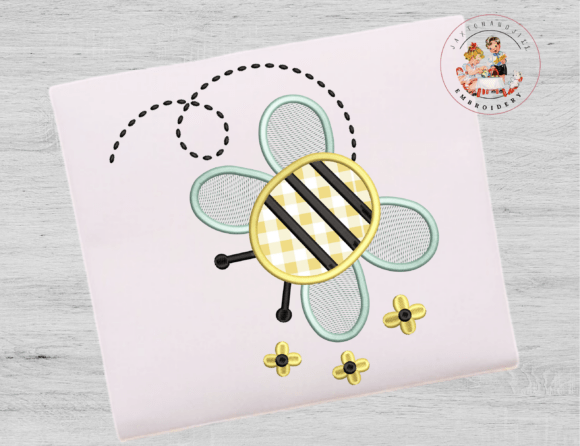
The first thing you notice about the Honey Bee Machine Embroidery Design is its playful mood. It is not overly complex, which is often a strength for applique-style work. The visual composition features a central bee character that appears to be in motion, surrounded by floral elements that frame the subject nicely. For designers who sell on Etsy or at local craft fairs, visual appeal is the primary driver of clicks and sales. This design has a "giftable" quality to it. It feels warm, inviting, and suitable for a wide demographic, from new parents looking for nursery decor to adults who appreciate garden-themed accessories.
The detail level seems appropriate for its intended use. It avoids the trap of being too dense, which can cause puckering on lighter fabrics, while still offering enough stitch variation to look professional. The combination of the bee and the flowers creates a balanced silhouette that works well in various hoop sizes. When I visualize this as a printable mockup for an online store, it translates beautifully onto white tote bags, pastel baby blankets, and even denim jackets. The decorative appeal lies in its simplicity; it tells a story of spring and growth without needing excessive embellishment.
Performance in Real-World Projects
When considering a new digital embroidery file, I always ask myself: where will this actually live? The Honey Bee Machine Embroidery Design is versatile, but it shines brightest in specific applications. Here is how I see it performing across different product categories:
- Custom Apparel and Kids Clothing: This is arguably the strongest use case. The cute aesthetic fits perfectly on children’s t-shirts, rompers, and bibs. Because the design is described as an applique, it likely reduces the amount of thread coverage on the skin, making it more comfortable for babies. For adult custom apparel, it works well on pocket areas of chambray shirts or as a focal point on a linen dress.
- Tote Bags and Canvas Goods: A tote bag design needs to be bold enough to be seen from a distance. This bee design, with its clear outlines and floral accents, stands out well against canvas or cotton twill. It adds a handmade touch that mass-produced bags lack, increasing the perceived value of the item.
- Sweatshirt Embroidery: Applying this to fleece or French terry requires careful attention to stabilizer, but the result can be stunning. The contrast of the bright bee against a heather grey or navy sweatshirt creates a high-end boutique look. It is an excellent option for spring collections when customers are transitioning from heavy winter coats to lighter layers.
- Nursery Decor and Baby Items: From crib sheets to burp cloths, the gentle nature of this design makes it a safe bet for baby products. It pairs well with soft yellows, greens, and whites, allowing for easy coordination with existing nursery themes.
Technical Considerations for Embroiderers
While the design is charming, technical execution is where many projects succeed or fail. Since this is an applique design, the workflow differs slightly from standard fill-stitch patterns. You will need to account for the fabric placement step. If you are new to applique, ensure you have sharp scissors for trimming the excess fabric close to the tack-down stitch. A jagged edge can ruin the clean look of the bee’s wings or the flower petals.
Stabilizer selection is critical. For stretchy fabrics like jersey knits used in baby clothes, a cut-away stabilizer is non-negotiable to prevent distortion after washing. For woven fabrics like tote bags or aprons, a tear-away might suffice, but I often recommend a medium-weight cut-away for durability, especially if the item will be washed frequently. The stitch density appears moderate, but always test on a scrap piece of your actual production fabric. This allows you to check for any pulling or puckering before committing to a final product.
Another factor is thread colors. The design likely relies on contrast between the bee’s yellow and black stripes and the colorful flowers. When stitching on dark fabrics, you may need to adjust the underlay or use a lighter backing fabric for the applique sections to ensure the colors pop. If you are creating an embroidered patch, consider using a satin stitch border to encase the raw edges of the applique fabric, giving it a polished, merchandise-ready finish.
Enhancing Product Value and Brand Consistency
For small business owners and creative entrepreneurs, every design asset contributes to brand identity. Using a cohesive set of designs helps build recognition. The Honey Bee Machine Embordery Design fits well into a broader "garden" or "nature" collection. If you already sell floral items, adding this bee creates a thematic link that encourages bundle purchases. It enhances the handmade product experience by offering something unique that cannot be found in big-box stores.
Furthermore, the photogenic nature of this design aids in marketing. It looks great in lifestyle photography—imagine a sunlit photo of the bee embroidered on a market tote filled with fresh produce. These images drive engagement on social media and help convey the quality of your finished product. When customers see clean, well-executed stitches, their trust in your brand increases. This design, when stitched correctly, signals professionalism and attention to detail.
Practical Tips Before You Stitch
Before you download and start producing, there are a few due diligence steps I recommend for any Creative Fabrica embroidery purchase:
- Check File Compatibility: Ensure the download includes the file format your machine reads (such as PES, DST, or JEF). The product page should list these details clearly.
- Verify Hoop Size: Confirm that the design fits within your available hoop sizes. While this design seems compact, always check the dimensions to ensure it doesn’t require a hoop you don’t own.
- Review Licensing Terms: If you plan to sell items made with this design, read the license agreement on the product page. Most Creative Fabrica designs allow for commercial use of finished physical items, but it is essential to confirm this to protect your business.
- Test Stitch Out: Never skip the test stitch. Use similar fabric and stabilizer to your final product. Check the registration of the applique pieces and the smoothness of the satin stitches around the flowers.
In conclusion, the Honey Bee Machine Embroidery Design is a solid addition to any designer’s library. It offers a blend of cuteness and practicality that serves both hobbyists and commercial sellers. By paying attention to fabric choice, stabilizer, and stitch quality, you can transform this digital asset into a high-value personalized gift or best-selling inventory item. It is a reminder that sometimes, the simplest designs, executed with care, yield the most delightful results.