Review: Praying Skeleton Hands Embroidery Design
As an embroidery designer who has spent years digitizing and testing files for small business merchandise, I approach every new machine embroidery design with a critical eye. It is not just about whether the art looks cool on a screen; it is about how it performs on fabric, how it holds up in the wash, and how it serves the brand identity of the client using it. Recently, I evaluated the Praying Skeleton Hands Embroidery design, and while its roots are firmly planted in the Halloween category, its application extends far beyond seasonal decor. This review breaks down how this specific digital asset functions for branded patches, custom apparel, and boutique merchandise.
First Impressions and Visual Personality
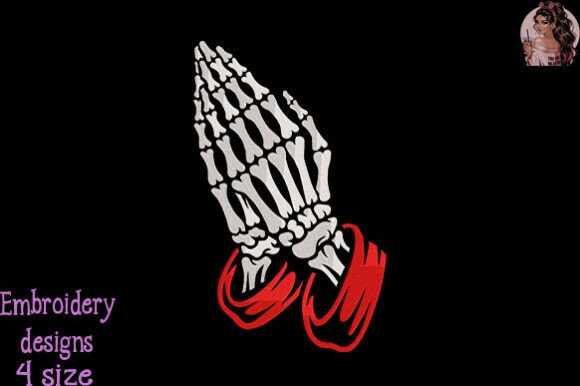
The title alone suggests a bold aesthetic. When I first loaded the preview for the Praying Skeleton Hands Embroidery, the immediate impression was one of edgy sophistication rather than cheap novelty. The description notes "intricately detailed skeletal hands," which signals that this is not a blocky, low-resolution clipart conversion. For a professional embroiderer, detail is a double-edged sword. It offers visual richness but demands precise digitizing to prevent thread breaks or nesting issues.
Visually, the design feels modern and slightly rebellious. It does not scream "spooky" in a childish way; instead, it carries a tone that could be described as alternative, artistic, or gothic-chic. This makes it versatile for brands that want to project a sense of individuality. Whether you are running a tattoo parlor, a rock-themed café, or a streetwear label, the visual personality here is strong. It is decorative yet structured, offering a clear focal point that draws the eye without overwhelming the surrounding negative space.
Real-World Business Applications
For small business owners, the value of a digital embroidery file lies in its versatility. I tested the potential applications of this design across several common merchandise categories. Here is how it performs in real-world scenarios:
- Embroidered Patches: This is perhaps the strongest use case. The contained shape of praying hands works exceptionally well for iron-on or sew-on patches. A patch allows customers to buy the design as a standalone product, which is ideal for Etsy sellers and craft businesses. It adds perceived value to a handmade product line.
- Cap Embroidery: Placing this design on the front panel of a dad hat or trucker cap creates an instant statement piece. However, due to the curved surface of a cap, the density must be managed carefully to avoid puckering.
- Apron Embroidery: For boutique coffee shops, bars, or creative studios, adding this motif to the chest pocket area of a staff apron creates a cohesive uniform look. It signals a brand that is unafraid of bold aesthetics.
- Tote Bag Design: Canvas tote bags are a staple for retail branding. The contrast of white or bone-colored thread against a natural or black canvas bag makes the skeleton hands pop, serving as an effective walking advertisement.
When used in commercial embroidery projects, this design can elevate standard items into premium merchandise. It transforms a basic black t-shirt into a curated fashion item, increasing the profit margin for the seller.
Technical Considerations for Production
While the aesthetic is compelling, the technical execution requires attention. As a designer, I always advise checking the specific details of the embroidery file before committing to a large production run. The description mentions "intricate details," which implies a higher stitch density. High density can cause fabric distortion if not paired with the correct stabilizer.
Here are the critical technical factors to evaluate:
- Fabric Texture: This design will perform best on smooth, tightly woven fabrics like twill, denim, or high-quality cotton blends. Avoid loose knits or highly textured fleece, as the fine details of the skeletal fingers may get lost or cause the fabric to pull.
- Thread Colors: Contrast is key. While traditional skeleton imagery uses white, consider using metallic gold or silver threads for a luxury feel, or neon colors for a rave-inspired look. Always test your thread colors against the base fabric to ensure visibility.
- Hoop Size: Confirm the required hoop size matches your machine’s capabilities. If the design is large, you may need a multi-hooping strategy, which increases production time and risk of misalignment.
- Washability: Items like aprons and work shirts undergo frequent washing. Ensure the stitch path is secure and that satin columns are not too wide, which can snag easily.
If the file specifications such as exact stitch count or format are not explicitly provided in the purchase listing, you must request them from the vendor. Never assume a file is optimized for your specific machine without a test stitch-out.
Brand Identity and Customer Trust
Using a distinctive design like the Praying Skeleton Hands Embroidery impacts brand identity significantly. In a saturated market, generic logos fail to stick in consumer memory. A unique, well-executed embroidered motif creates recognition. When customers see this design on a tote bag or a patch, they associate it with the quality and attitude of your brand.
Furthermore, high-quality embroidery signals professionalism. Sloppy stitching or poorly digitized designs erode customer trust. Conversely, a clean, crisp execution of these skeletal hands suggests that your business cares about details. This perception of quality allows you to charge a premium for your small business merch. It turns a simple promotional item into a desirable collectible.
Designer Notes for Best Results
Before you sell this design as part of your product line, follow these practical steps to ensure success:
- Test in Black and White: Before adding color, stitch the design out in black thread on white fabric. This reveals any gaps in coverage or density issues that color might hide.
- Create a Printable Mockup: Use a printable mockup to show clients how the design will look on different garments. This helps manage expectations and secures approval before you start stitching.
- Check Commercial Licensing: Always confirm that the license included with the digital embroidery file permits commercial use. Some designers restrict the number of physical items you can sell.
- Compare Design Assets: Place this design alongside your other branding elements. Does it fit the visual consistency of your store? If your brand is soft and pastel, this edgy design might clash unless used as a deliberate contrast piece.
In conclusion, the Praying Skeleton Hands Embroidery is a potent tool for businesses looking to add character to their merchandise. It bridges the gap between seasonal Halloween themes and year-round alternative fashion. By respecting the technical requirements of the digitizing and applying it strategically to patches, caps, and apparel, you can create a finished product that resonates with your audience and strengthens your brand presence. Always prioritize quality control and proper stabilization to ensure that the boldness of the design is matched by the durability of the stitch.