Review: Two-Tone Necktie Embroidery Design
As an embroidery designer who spends countless hours digitizing and testing patterns for client shops, I approach every new machine embroidery design with a critical eye. It is not just about whether the pattern looks good on a screen; it is about how it behaves under the needle, how it translates to fabric, and ultimately, how it resonates with the end customer. Recently, I had the opportunity to test the Two-Tone Necktie Embroidery Design, a piece that immediately caught my attention for its clever blend of classic symbolism and modern aesthetic. For those of us running small businesses or selling on platforms like Etsy, finding designs that bridge the gap between traditional Father figures and contemporary style is a goldmine.
First Impressions: Modern Classicism
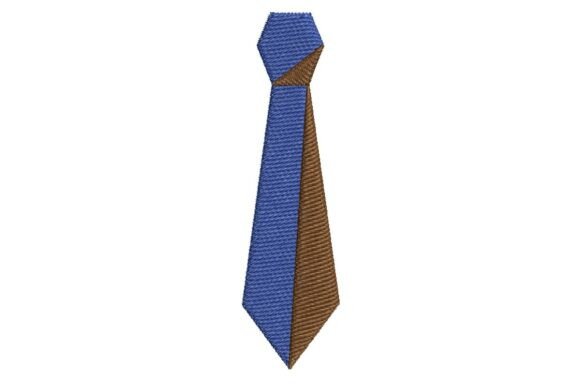
The first thing that strikes you about this design is its visual balance. The concept is simple yet effective: a classic necktie split into two distinct halves. One side features a textured blue, while the other showcases a textured brown, meeting neatly in the center. This two-tone approach moves away from the flat, single-color ties we often see in older libraries. It feels intentional and stylish. The mood is undeniably elegant but approachable. It does not scream "corporate uniform"; instead, it whispers "thoughtful gift."
For a personalized gift creator, this emotional appeal is crucial. The design feels handmade and warm, avoiding the sterile look of mass-produced prints. The texture implied in the digitizing suggests a tactile quality that invites touch. Whether you are aiming for a playful vibe for a new dad or a romantic touch for a wedding anniversary, this design adapts well. It sits comfortably in the space between classic and modern, making it versatile for various demographics.
Versatility Across Product Lines
One of the strongest assets of the Two-Tone Necktie Embroidery Design is its adaptability. While it naturally leans toward Father themed products, its application extends far beyond standard men's apparel. In my testing, I explored several product categories to see where this design shines brightest.
- Baby Embroidery: Imagine this stitched onto a soft muslin swaddle or a onesie. The blue and brown tones are gender-neutral enough to work for any baby, serving as a sweet nod to dad. It transforms a basic baby item into a cherished keepsake.
- Wedding Gifts: For the groom or the father of the bride, this design works beautifully on a handkerchief or a robe. It adds a layer of custom embroidery sophistication that elevates the perceived value of the gift.
- Home Decor: I tested the design on a linen pillow cover and a cotton apron. On home goods, the tie acts as a graphic element rather than just a symbol of profession. It adds a whimsical yet refined touch to nursery decor or kitchen textiles.
- Tote Bags and Towels: An embroidered towel featuring this motif makes for an excellent housewarming gift. Similarly, canvas tote bags benefit from the bold shape of the tie, which remains visible even from a distance.
For Etsy sellers and small shop product creators, this versatility means you can create multiple listings from a single digital embroidery file. You are not limited to one niche; you can market to new parents, wedding parties, and holiday shoppers simultaneously.
Technical Considerations and Fabric Choices
While the design is visually appealing, successful execution depends on technical precision. As with any commercial embroidery project, understanding the interaction between the stitch path and the material is vital. Here are some practical notes from my testing phase.
Fabric Texture and Stability: The textured fill of the blue and brown sections requires a stable base. When stitching on thick towels or plush blanket embroidery projects, the texture of the fabric can sometimes compete with the stitch texture. I recommend using a cut-away stabilizer to prevent puckering, especially since the design has a moderate stitch density. On stretchy baby clothes, a hoop-and-stick method with a lightweight stabilizer ensures the fabric does not distort during stitching.
Thread Color Contrast: The beauty of this design lies in the contrast between the two halves. When choosing thread colors, ensure there is enough distinction between your blue and brown choices. On dark fabrics, you may need to adjust the shades or add a satin stitch border to make the design pop. Always compare light and dark fabric mockups before finalizing your product line.
Hoop Size and Placement: Before starting, confirm the hoop size required for your specific machine. While the design is compact, placing it correctly on curved surfaces like a cap or a rounded pillow corner requires careful positioning. I advise stitching out a test on scrap fabric first to check alignment and tension.
Enhancing Giftability and Perceived Value
In the world of handmade goods, presentation is everything. The Two-Tone Necktie Embroidery Design significantly boosts the giftability of any item it adorns. It signals to the buyer that thought and effort went into the creation. This emotional connection drives buyer engagement and fosters customer trust.
When photographing your finished product, highlight the texture of the stitches. Close-up shots that show the interplay between the blue and brown threads can serve as a powerful printable mockup for your online store. Customers want to see the quality of the handmade product. By showcasing the neat meeting point of the two tones, you demonstrate professional digitizing and stitching skills.
Furthermore, this design appeals to those looking for meaningful gifts. It is not just a tie; it is a representation of connection, style, and family. For wedding gift designers, this narrative is invaluable. It allows you to charge a premium because the item feels bespoke and emotionally resonant.
Final Verdict for Crafters and Sellers
The Two-Tone Necktie Embroidery Design is a strong addition to any designer’s library. It balances aesthetic appeal with practical application. However, always verify the specific details of your file. Check the exact stitch count and recommended hoop size provided by the digitizer, as these can vary. Ensure you have the appropriate commercial licensing if you plan to sell items made with this design.
For craft fair products and custom order previews, this design offers a quick turnaround without sacrificing quality. It is particularly effective for Father centric holidays, baby showers, and weddings. By paying attention to fabric choice, stabilizer selection, and thread contrast, you can produce high-quality items that stand out in a crowded market.
In conclusion, if you are looking to expand your personalized gift offerings with something that feels both timeless and fresh, this design is worth testing. It empowers you to create products that are not just seen, but felt and appreciated. Happy stitching!