Baby Duckling Embroidery: A Designer’s Craft Fair Review
As an embroidery designer who has spent countless weekends behind a craft fair table, I have learned that not every pretty design translates into a bestseller. When I first loaded the Baby Duckling Embroidery file into my digitizing software, my immediate reaction was one of cautious optimism. This is not just another generic animal motif; it is a bold, detailed statement piece designed for wildlife lovers and those who appreciate high-quality machine embroidery design work. For sellers preparing their inventory for the upcoming market season, understanding how this specific design performs in the real world is crucial for maximizing profit and minimizing waste.
First Impressions: Boldness Meets Charm
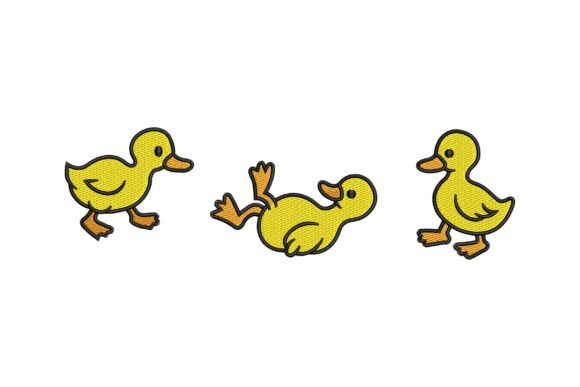
The product description highlights that this design is "bold" and "detailed," and upon inspection, these claims hold up. In the crowded landscape of Baby Animals themed Embroidery, many designs lean too heavily into soft, washed-out aesthetics that disappear from a distance. This duckling, however, commands attention. With an approximate size of 4.01″ x 3.99″ and a substantial stitch count of 20,195 stitches, it possesses the visual weight necessary to serve as a focal point rather than a mere accent. The density suggests a premium feel, which is exactly what modern buyers look for in a handmade product. It feels rustic yet refined, fitting perfectly into the popular farmhouse and nature-inspired niches that dominate current trends.
Product Versatility for the Craft Fair Booth
When planning your booth display, versatility is key. I evaluated where this digital embroidery file would shine most among typical craft fair offerings. Here is how it performs across different mediums:
- Tote Bags and Market Bags: This is arguably the strongest application. The square-ish proportion of the design fits beautifully on the center of a canvas tote. As a tote bag design, it offers enough detail to justify a higher price point. Customers love items that are both functional and decorative, and this duckling turns a simple grocery bag into a statement accessory.
- Aprons and Tea Towels: For kitchenware, the design works exceptionally well as apron embroidery or tea towel embroidery. However, caution is needed with textured towels. The high stitch count requires a stable surface. On a waffle-weave towel, the details might get lost, so I recommend using smooth linen or cotton blends for the best clarity.
- Embroidered Patches: Creating an embroidered patch allows you to sell the design as a standalone item. Buyers can then apply it to jackets or backpacks themselves. This expands your customer base to those who do not want a pre-embroidered garment but still love the art.
- Caps and Headwear: While possible, caps present a challenge due to the curved surface. The 20,195 stitches create a dense area that may cause puckering if the cap material is thin. If you choose to produce caps, ensure you are using a structured front panel and heavy-duty backing.
Production Realities and Stitch Density
From a production standpoint, the stitch density of this design is a double-edged sword. On one hand, it creates a lush, textured finish that photographs incredibly well for your online listings. High-density designs catch the light, creating shadows and depth that make your Etsy seller photos pop. On the other hand, density means time. Each unit will take longer to hoop, stitch, and trim. For a small shop product, you must calculate your labor costs accurately. Do not underprice this item simply because it is a "cute animal." The complexity warrants a premium price.
Furthermore, the available sizes mentioned—approximately 4 inches wide—are ideal for medium-sized hoops. Before committing to a large batch, you must confirm the hoop size compatibility with your specific machine. While the design is detailed, ensure that your machine can handle the file format without conversion errors that might alter the stitch path.
Visual Appeal and Customer Engagement
In a busy craft fair environment, you have seconds to capture a passerby’s attention. The Baby Duckling Embroidery excels here because it is instantly recognizable. Unlike abstract patterns, a duckling evokes an emotional response—warmth, nostalgia, and joy. This emotional connection drives impulse buys. When displayed on a neutral-colored fabric, such as cream, olive green, or slate blue, the thread colors likely used in this design (yellows, oranges, and perhaps subtle greens) will stand out vividly. This contrast is vital for booth display strength. A wall of muted tones with these bright, detailed ducklings creates a visual anchor that draws customers into your space.
For online sales, this design is a gift for content creators. It lends itself perfectly to a printable mockup or lifestyle photography. Imagine the duckling embroidered on a cozy pillow cover in a sunlit living room setting. These images convert browsers into buyers because they help the customer visualize the finished product in their own home.
Careful-Use Notes for Professional Results
To maintain your reputation for quality, heed these practical warnings when working with this file:
- Fabric Texture Matters: Avoid highly textured fabrics like thick terrycloth or loose weaves. The fine details of the duckling’s feathers may sink into the pile or distort. Stick to tight-weave cottons, linens, or denim.
- Stabilizer Selection: Given the 20,195 stitches, a cut-away stabilizer is non-negotiable for garments that will be washed frequently. For tote bags, a heavy tear-away might suffice, but test first. Poor stabilization leads to puckering, which ruins the professional look of your commercial embroidery.
- Dark Fabrics: If stitching on dark fabric, ensure the design includes underlay stitches that provide sufficient coverage. You may need to adjust thread tension or use a slightly heavier top thread to prevent the background fabric from showing through the yellow or light-colored areas of the duck.
- Scaling Limits: Do not shrink this design significantly below its recommended minimum size. The intricate details will merge, turning a beautiful duckling into an indistinct blob. Respect the original proportions to maintain clarity.
Final Designer Verdict
The Baby Duckling Embroidery is a robust addition to any design assets library for the serious maker. It bridges the gap between whimsical and sophisticated, making it appealing to a wide demographic. For the craft fair product lineup, I recommend focusing on tote bags and aprons as your primary vehicles for this design. They offer the flat, stable surface the design needs to shine and provide enough canvas space to let the details breathe.
Before launching your full production run, always test the design on scrap fabric identical to your final product. Check the thread contrast, review the spacing of the densest areas, and inspect the back for excessive bulk. Create at least one real mockup to photograph for your marketing materials. Finally, always confirm the commercial licensing terms included with your purchase of the digital embroidery file. Ensuring you have the right to sell finished products protects your business and allows you to scale with confidence. With careful execution, this duckling can become a signature item that defines your brand’s aesthetic this season.