Reviewing Hello Autumn Season Embroidery Designs
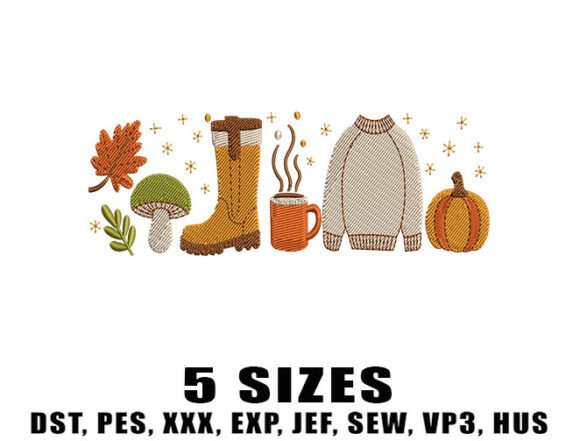
As a designer who spends more time staring at digitized stitch paths than actual fabric, I have learned to be skeptical of seasonal motifs. Fall collections often lean too heavily into clichés, resulting in cluttered visuals that lose their charm once stitched out. However, when I loaded the Hello Autumn Season Embroidery Designs into my software for a recent client project, the layout immediately stood out for its balanced composition. This is not just a generic pumpkin patch; it is a curated collection of fall outfit elements that includes boots, cozy sweaters, mushrooms, and pumpkins. For anyone running a craft business or selling handmade products, understanding how these elements translate from a digital embroidery file to a tangible finished product is crucial.
First Impressions and Visual Mood
The immediate appeal of this design lies in its narrative quality. Rather than isolating a single object, the arrangement suggests a lifestyle. The inclusion of boots and sweaters alongside traditional harvest icons like mushrooms and pumpkins creates a "cozy fall fashion" vibe that resonates deeply with current trends. When evaluating a machine embroidery design, I look for visual personality. Does it feel stiff, or does it have flow? These elements feel organic. The shapes are distinct enough to remain clear even at smaller scales, which is vital for versatility. The mood is warm and inviting, making it an ideal candidate for personalized gifts that aim to evoke comfort and nostalgia.
Real-World Application: The Tote Bag Test
To truly judge the utility of any design assets, I mentally place them on various substrates. Let’s consider a custom embroidered tote bag, a staple for any Etsy seller or small shop product. Canvas has a visible weave, so detail loss is a common risk. With the Hello Autumn Season Embroidery Designs, the larger elements like the sweater and boots hold their shape well. The stitch density appears moderate, preventing the fabric from puckering excessively, provided you use the correct stabilizer.
I recently considered using a similar layout for a boutique branding project. The combination of fashion items and nature elements allows for a broader appeal than standard holiday embroidery. It works for early autumn through Thanksgiving, extending the shelf life of your inventory. If you are creating a printable mockup for your online store, this design photographs beautifully because the silhouettes are recognizable even from a distance. This recognition factor drives buyer engagement and helps your handmade product stand out in a crowded digital marketplace.
Performance on Apparel and Textiles
Moving beyond accessories, let’s discuss custom apparel. Sweatshirt embroidery requires careful handling of stitch density to maintain garment softness. The fill stitch areas in the pumpkin and sweater components of this design need to be monitored. If you are stitching on a heavy fleece, the design will sink in slightly, so using a cut-away stabilizer is non-negotiable. For t-shirts, which are thinner and stretchier, the boots and mushrooms might require a backing that prevents distortion.
For baby embroidery, such as a onesie or nursery decor, the smaller sizes included in the package become relevant. The description notes five sizes, starting at 3.8 inches. This scale is perfect for a chest pocket or a sleeve detail. However, always test the design on scrap fabric first. What looks crisp on screen can sometimes merge into a blob if the thread colors lack contrast against the fabric texture. I recommend testing the design in black and white mockups to ensure the outlines are distinct before committing to colorful threads.
Navigating Technical Constraints
While the aesthetic is strong, practical application requires attention to technical limits. Where should you use caution? Small hoop sizes present a challenge if you attempt to stitch the entire cluster at once. If you are working with a 4x4 hoop, you may need to isolate individual elements like a single mushroom or boot. Always confirm hoop size compatibility with your specific machine before purchasing or starting a job.
Textured fabrics, such as waffle knit or corduroy, can obscure fine details. The running stitch outlines in this design help define edges, but on high-pile fabrics, a satin stitch border might be necessary to keep the design legible. Additionally, curved surfaces like caps require specialized digitizing adjustments. While this design is versatile, placing a complex cluster on a curved cap panel can lead to distortion. In such cases, simplifying the layout to one or two key elements ensures a professional finish.
Commercial Viability and Brand Consistency
For commercial embroidery projects, consistency is key. Using the Hello Autumn Season Embroidery Designs across a product line—such as matching aprons, tea towels, and pillow covers—creates a cohesive brand identity. Customers trust shops that present a unified visual language. This design supports that by offering multiple sizes, allowing you to scale the motif appropriately for different items without losing proportion.
When selling finished items or digital embroidery files, licensing is paramount. Always check the license terms provided with the download. Some creators allow unlimited sales of physical finished products, while others restrict the resale of the digital file itself. As a responsible craft business owner, confirming these details protects your shop from legal issues and builds trust with your peers in the creative community.
Practical Designer Notes for Best Results
To get the most out of this embroidery project, follow these practical steps:
- Test on Scrap Fabric: Never stitch directly on your final garment. Use a similar weight and texture to check for puckering or thread breaks.
- Check Thread Color Contrast: Earth tones work well for fall, but ensure there is enough difference between the thread and the fabric. A dark brown boot on black fabric will vanish.
- Review Stitch Density: If the design feels too stiff after stitching, consider reducing the density in your editing software or using a lighter weight thread.
- Use Proper Stabilizer: Match the stabilizer to the fabric. Cut-away for knits, tear-away for woven cottons, and wash-away for delicate materials.
- Inspect Small Details: Zoom in on the digitized file. Look for excessive jump stitches or tiny satin columns that might not stitch out cleanly.
- Compare Backgrounds: Visualize the design on both light and dark fabrics. You may need to create two versions of the file with adjusted underlay stitches for optimal coverage.
Final Verdict
The Hello Autumn Season Embroidery Designs offer a thoughtful blend of fashion and nature that elevates standard seasonal decor. For the Etsy seller, apparel decorator, or hobbyist, this collection provides the flexibility needed for diverse applications, from baby clothes to home textiles. By paying attention to fabric texture, stabilizer choice, and hoop size, you can ensure that every stitched piece reflects the high quality your customers expect. It is a reliable addition to your library of design assets, ready to bring a touch of cozy autumn charm to your next creative venture.