Reviewing the Fish Embroidery Designs Collection for Real Projects
As a designer who spends more time staring at stitch simulations than actual fabric, I have learned that not every machine embroidery design looks as good on screen as it does in the hoop. When I first opened the Fish Embroidery Designs Collection, my immediate reaction was one of cautious optimism. The preview images showed a wide range of styles, from whimsical cartoon characters to sleek, elegant marine life. But previews can be deceiving. I needed to know if these files would hold up under the needle when applied to real-world items like tote bags, sweatshirts, and baby clothes.
This collection sits firmly in the Animals category, but it is not just about depicting fish. It is about capturing movement and personality through thread. For Etsy sellers and small shop owners, finding versatile design assets that appeal to both children and adults is a constant challenge. This variety pack attempts to bridge that gap. Let us dive into how these designs perform in a practical embroidery project setting.
First Impressions and Visual Personality
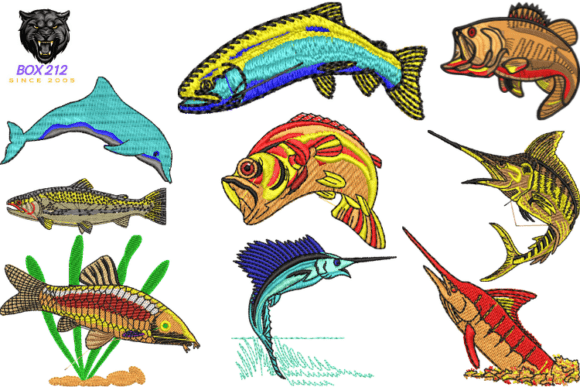
The mood of this collection is surprisingly adaptable. You have playful, rounded shapes that scream "nursery decor," paired with more streamlined, artistic interpretations that could easily fit into a boutique coastal theme. The visual personality shifts depending on which specific fish you choose. Some rely heavily on bold outlines, while others use intricate fill stitch patterns to create texture that mimics scales.
For a craft business owner, this versatility is key. You are not locked into one aesthetic. If you are creating a line of summer apparel, the brighter, cartoonish options work well. If you are designing high-end home goods like pillow covers or kitchen towels, the more subdued, elegant marine species offer a sophisticated touch. The layout of each design feels balanced, avoiding the common pitfall of having too much weight on one side, which can cause hooping issues.
Real-World Application: The Tote Bag Test
To truly evaluate an embroidery file, I need to see it stitched out. I chose a medium-sized, colorful fish from the collection to test on a canvas tote bag. Canvas is a forgiving fabric, but it has a distinct texture that can interfere with fine details. I wanted to see if the stitch density was appropriate for a sturdy, everyday item.
The result was impressive. The design used a mix of satin stitch for the fins and tail, providing a smooth, shiny contrast against the matte canvas. The body utilized a strategic combination of running stitch and fill areas that did not look overly dense. This is crucial for a handmade product because if the stitching is too thick, the fabric puckers. If it is too sparse, the backing shows through. This design struck a good balance, resulting in a clean finished product that looked professional rather than homemade.
I also considered how this would look as a sweatshirt embroidery piece. The flexibility of the design allowed it to sit well on the curved surface of a hoodie pocket. For custom apparel, clarity is everything. Customers need to recognize the image from a distance. The bold lines in these fish designs ensure that the subject remains clear even when scaled down slightly.
Navigating Fabric and Hoop Constraints
While the collection is robust, there are areas where caution is necessary. Not every design in this pack is suitable for every scenario. For instance, the highly detailed, elegant marine species might struggle on thin or stretchy fabrics without proper stabilization. If you are working on baby embroidery items like onesies, you must be mindful of the back of the stitch. Rough or dense stitching can irritate sensitive skin. I recommend using a soft cut-away stabilizer and possibly covering the back with a fusible interfacing for comfort.
Another consideration is hoop size. Some of the larger, more elaborate fish in the collection require a 5x7 or larger hoop. If you are working with a smaller 4x4 machine, you will need to check the dimensions carefully. Attempting to split a design across multiple hoops is rarely successful for organic shapes like fish, as aligning the curves perfectly is nearly impossible. Always confirm the hoop requirements before purchasing or starting a project.
Dark fabrics present another challenge. Many of these designs rely on light-colored threads for highlights. On a navy or black garment, you may need to adjust your thread colors or add a white underlay to make the colors pop. Testing on scrap fabric is non-negotiable here. What looks vibrant on a white poly-cotton blend might disappear on a dark fleece.
Commercial Viability and Brand Consistency
For the Etsy seller or digital product creator, the value of this collection lies in its commercial potential. A cohesive set of designs allows for brand consistency. Imagine offering a matching set of embroidered patches, tote bags, and tea towels featuring different fish from the same family. This creates a recognizable aesthetic that builds customer trust.
The personalized gift market thrives on unique, high-quality imagery. These fish designs are distinct enough to stand out from generic clipart but simple enough to be universally appealing. Whether it is for holiday embroidery gifts or summer-themed merchandise, the designs feel timely and relevant. However, always verify the license terms included with the digital embroidery file. While many collections allow for commercial use of finished physical items, selling the digital files themselves is usually prohibited.
Practical Designer Notes for Best Results
Before you commit to a large production run or a client order, keep these practical tips in mind:
- Test on Scrap Fabric: Always stitch a sample on the exact fabric type you plan to use. This reveals issues with tension, density, and color contrast.
- Check Thread Contrast: Ensure your thread colors have enough difference from the fabric background. Use a black and white mockup to check value contrast if you are unsure.
- Inspect Small Details: Zoom in on the simulation. Look for tiny, isolated stitches that might jump or break. Simplify if necessary by removing unnecessary travel stitches.
- Use Proper Stabilizer: Match your stabilizer to your fabric. Woven fabrics often need tear-away, while knits require cut-away for stability during washing.
- Verify Licensing: Confirm whether the license covers mass production or only small-batch handmade sales. This protects your business legally.
In conclusion, the Fish Embroidery Designs Collection is a strong contender for designers looking to expand their aquatic-themed offerings. It balances artistic flair with technical practicality. While it requires careful attention to fabric choice and stabilization, the results can elevate a simple tote bag design or embroidered patch into a standout piece. For those willing to put in the testing time, this collection offers reliable, attractive Embroidery solutions that resonate with buyers.