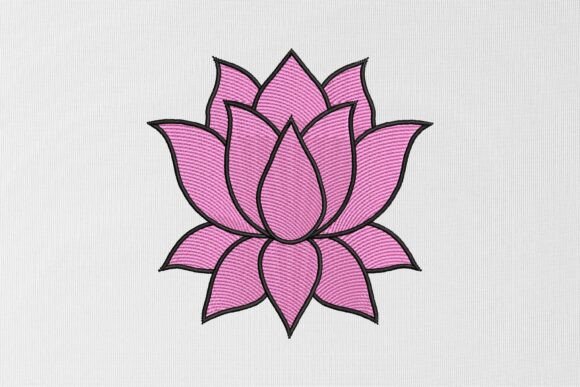
Reviewing Lotus Flower Embroidery Design for Merch
As an embroidery designer who has spent years digitizing files and consulting with small business owners, I approach every new machine embroidery design with a critical eye. It is not enough for a pattern to look pretty on a screen; it must perform flawlessly on fabric, withstand washing, and elevate the brand it represents. Today, I am reviewing the Lotus Flower Embroidery Design, a piece categorized under Single Flowers, to determine its viability for commercial use in branded merchandise, patches, and custom apparel.
The product description markets this as a cute embroidery option for romantic gifts and Valentine’s Day projects. While the "cute" descriptor suggests a playful or soft aesthetic, my job is to look past the marketing fluff and assess its structural integrity and visual impact for professional applications. Can this design carry the weight of a boutique logo? Will it hold up on a daily-wear apron? Let us dive into the details.
First Impressions: Visual Personality and Brand Fit
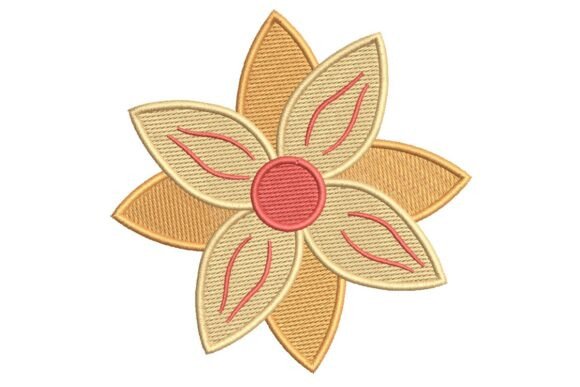
Upon initial inspection, the Lotus Flower Embroidery Design presents a balance between elegance and approachability. The lotus is a powerful symbol, often associated with purity, rebirth, and resilience. For a small business, this imagery can convey a sense of calm and quality. The design feels less like a rigid corporate logo and more like a handmade accent, which is perfect for creative studios, florists, bakeries, and wellness brands.
The style appears decorative yet clean. It does not scream "loud" or "aggressive," which makes it versatile. It fits comfortably within the realm of modern classic aesthetics. For Etsy sellers and crafters, this visual personality is crucial. Customers are increasingly drawn to items that feel personal and artisanal. A design that looks too digital or sterile can detract from the perceived value of a handmade product. This lotus seems to bridge that gap, offering a polished look that still retains a touch of organic warmth.
Real-World Business Applications
The true test of any digital embroidery file is its versatility across different substrates and products. Here is how I envision the Lotus Flower Embroidery Design performing in real-world commercial scenarios:
- Embroidered Patches: This is perhaps the strongest application. A lotus motif works beautifully as a standalone patch for tote bags, denim jackets, or laptop sleeves. Patches allow customers to add branding to existing items, increasing the utility of your small business merch.
- Staff Uniforms and Aprons: For cafes and boutiques, uniform consistency builds trust. Placing this design on the chest pocket of an apron or the sleeve of a work shirt adds a subtle touch of professionalism without being overpowering. It signals attention to detail.
- Cap Embroidery: Caps are high-margin items for many brands. However, the curved surface of a cap front requires careful consideration. If the design is too wide, it may distort. If it is compact, it can serve as a sophisticated alternative to text-heavy logos.
- Tote Bag Design: Canvas totes are a staple for eco-conscious brands. The lotus theme aligns well with sustainability messages. Ensuring the thread colors contrast well against natural canvas is key here.
- Customer Gifts and Packaging: Small embroidered tags or accents on packaging can turn a standard delivery into a memorable unboxing experience. This design could be scaled down for such delicate applications.
Technical Considerations and Potential Pitfalls
While the aesthetic appeal is strong, we must address the technical realities of production. The description mentions embroidering on "any fabric that needs some love," but as a professional, I advise caution. Not all fabrics behave the same way.
Stitch density is a critical factor. If the design has high stitch density, it may cause puckering on lightweight fabrics like silk or thin cotton blends. Conversely, if the density is too low, the fabric underneath might show through, especially on dark uniforms. Always check the stitch count and density settings in your embroidery software before running a production batch.
Another concern is size. If you intend to use this as a tiny chest logo or on a small patch, ensure the details do not merge together. Fine outlines can get lost if the design is scaled down too far. I recommend testing the design at its smallest intended size to verify clarity. Additionally, textured fabrics like terry cloth or heavy wool require adjustments in stabilizer type and possibly pull compensation to maintain shape.
For items that undergo frequent washing, such as staff aprons or customer apparel, the longevity of the threads matters. Ensure you are using high-quality rayon or polyester threads that resist fading. The design should be tested on actual production fabric, not just scrap material, to confirm durability.
Enhancing Brand Identity and Customer Trust
Consistency is the cornerstone of brand identity. Using a cohesive visual element like the Lotus Flower Embroidery Design across various touchpoints creates a recognizable brand language. When a customer sees the same elegant lotus on your website, your packaging, and your staff uniforms, it reinforces professionalism and reliability.
This design can also increase the perceived value of your products. Embroidery is often viewed as premium compared to printed graphics because of its texture and durability. By incorporating this embroidery file into your custom apparel line, you signal that you invest in quality. This can justify higher price points and foster deeper customer loyalty.
Practical Designer Notes for Production
Before you purchase and produce, follow these steps to ensure success:
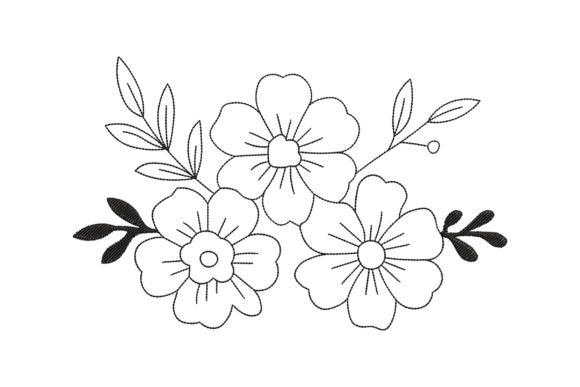
- Test in Black and White: Remove color from the preview to check if the design relies too heavily on color contrasts for definition. A strong design should hold its shape even in monochrome.
- Check Hoop Size Compatibility: Confirm that the design fits within your standard hoop sizes. If it requires a large hoop, it may limit your ability to embroider smaller items like caps or pockets efficiently.
- Select the Right Stabilizer: Match the stabilizer to the fabric weight. Cut-away stabilizers are generally better for garments that will be washed frequently, while tear-away may suffice for stable home decor items.
- Create a Printable Mockup: Use design software to place the lotus on mockups of your actual products. This helps visualize scale and placement before committing to thread and fabric.
- Verify Commercial Licensing: The product description does not explicitly state license terms. Always confirm that the design assets come with a commercial use license if you plan to sell finished products. Never assume; always read the fine print.
- Review Thread Color Contrast: Choose thread colors that stand out against your base fabric. For dark uniforms, consider using lighter or metallic threads to make the lotus pop.
In conclusion, the Lotus Flower Embroidery Design offers significant potential for small businesses looking to add a touch of elegance and professionalism to their merchandise. It is versatile enough for patches, apparel, and accessories, provided that technical considerations like stitch density and fabric compatibility are managed carefully. By treating this design as a strategic brand asset rather than just a decorative element, you can enhance your commercial embroidery offerings and create a more cohesive, trustworthy brand presence. Always prioritize testing and quality control to ensure that every stitched lotus reflects the high standards of your business.