Reviewing Yellow Hibiscus Embroidery for Gifts
As an embroidery designer who has spent countless hours hooping, stitching, and unstitching, I approach every new machine embroidery design with a mix of excitement and healthy skepticism. We all know that a digital preview can look flawless, but the real test happens when the needle hits the fabric. Recently, I had the opportunity to test the Yellow Hibiscus Embroidery design, and I wanted to share my practical insights with fellow crafters, Etsy sellers, and small business owners who are considering adding this piece to their catalog.
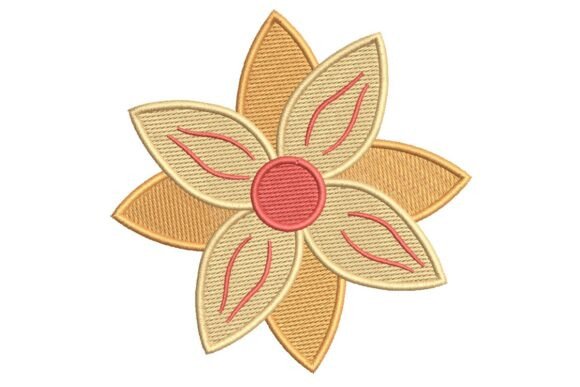
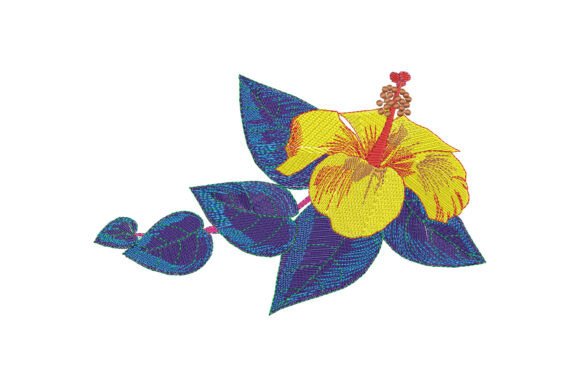
This design falls under the Single Flowers category, which is often deceptively simple. A single flower requires perfect balance because there is no surrounding foliage or complex background to hide minor imperfections. The Yellow Hibiscus Embroidery promises to capture the tropical charm of the hibiscus in full bloom, featuring vibrant yellow petals and intricate stitching. But does it hold up as a viable option for high-stakes personalized gifts? Let’s dive into the details.
First Impressions: Mood and Aesthetic Appeal
The moment I loaded the file, the first thing that struck me was the mood. This is not a shy or subtle design; it is bright, cheerful, and undeniably sunny. The use of yellow as the primary color evokes feelings of warmth, happiness, and summer vibes. For a handmade product, emotional connection is everything. When a customer buys a gift, they are buying a feeling. This design screams "joy," making it an excellent candidate for gifts intended to lift spirits or celebrate new beginnings.
The aesthetic leans towards a blend of classic and modern. While the hibiscus is a traditional tropical motif, the clean lines and vibrant color palette give it a contemporary edge. It feels elegant enough for a wedding keepsake yet playful enough for a child’s nursery item. As an embroidery professional, I appreciate designs that are versatile, and this one certainly checks that box. It does not feel overly seasonal, meaning you can sell it year-round, though it may see a spike in demand during spring and summer months.
Real-World Applications for Personalized Gifts
In my test run, I imagined several customer scenarios to see where this design would shine. Here is how I envision the Yellow Hibiscus Embroidery performing across different product types:
- Baby Embroidery and Nursery Decor: Yellow is a gender-neutral color that works beautifully for baby showers. Imagine this hibiscus stitched onto a soft muslin swaddle or a nursery wall hanging. It adds a touch of nature without being overwhelming. However, always ensure the stitch density is appropriate for delicate baby skin.
- Kitchen and Home Textiles: This is perhaps the strongest use case. An embroidered towel featuring this bright bloom becomes an instant statement piece. It also works wonderfully on aprons, adding a professional yet handmade touch to kitchen wear. For pillow cover projects, the contrast of yellow against white or navy linen creates a sophisticated look.
- Wedding and Bridal Gifts: While white is traditional for weddings, yellow hibiscus can be stunning for destination weddings or beach-themed ceremonies. Consider using it on tote bags for bridesmaids or as a detail on a reception guest book cover.
- Custom Tote Bags and Apparel: For the everyday crafter, this design is a winner on canvas totes. It is large enough to be seen from a distance but detailed enough to reward closer inspection. It serves as a fantastic small shop product that can be produced quickly while maintaining high perceived value.
Technical Considerations and Fabric Choices
While the design is beautiful, technical execution is where many sellers stumble. Here are the critical factors I evaluated during my testing phase:
Fabric Texture and Stability
The success of any custom embroidery project depends heavily on the fabric. For the Yellow Hibiscus Embroidery, I found that smooth, tightly woven fabrics like cotton poplin or high-quality linen yielded the crispest results. The intricate stitching requires a stable base. If you are working with textured fabrics, such as terry cloth towels or waffle weave, you must use a substantial cut-away stabilizer to prevent the stitches from sinking into the pile. Without proper stabilization, those fine petal details could get lost.
Color Contrast and Thread Selection
Yellow is a tricky color to master. On white fabric, it can sometimes lack definition. I strongly recommend testing your thread colors before committing to a final product. You might need to use a slightly darker shade of yellow for the outlines or shadows to ensure the design pops. Conversely, on dark fabrics, the yellow will stand out vividly, but you must ensure your underlay stitches are sufficient to cover the background fabric completely. Always compare light and dark fabric mockups to see how the design translates.
Hoop Size and Placement
Before you start stitching, confirm the required hoop size. Single flower designs often look best when centered, but placement is key. On a curved surface like a mug hugger or a fitted baby onesie, you must be careful with hoop tension to avoid distortion. If the design is large, ensure your machine’s hoop capacity can handle it without requiring excessive re-hooping, which can lead to alignment issues.
Navigating Potential Challenges
No design is without its challenges. Here is where you need to exercise caution with the Yellow Hibiscus Embroidery:
- Small Lettering Integration: If you plan to add personalized names, be careful. The intricate petals of the hibiscus can clash with small, delicate fonts. Ensure there is enough negative space around the flower for text, or choose a bold, simple font that complements rather than competes with the floral details.
- Stretchy Fabrics: Avoid using this design on highly stretchy materials like jersey knits unless you are an experienced handler of stretch fabrics. The dense stitching can cause puckering if the fabric stretches during wear or washing.
- Frequent Washing: Items like kitchen towels and baby blankets undergo frequent laundering. Verify the washability of your threads and stabilizers. A poorly secured design can unravel or fray after just a few cycles, damaging your reputation as a seller of quality finished product items.
Boosting Perceived Value and Customer Trust
From a business perspective, the Yellow Hibiscus Embroidery is a strong asset. High-quality floral designs enhance the perceived value of a personalized gift. Customers associate intricate embroidery with effort, skill, and luxury. When you present a well-stitched hibiscus on a premium towel or blanket, you are not just selling a commodity; you are selling artistry.
This emotional connection drives buyer engagement. A bright, happy design is more likely to catch the eye in an Etsy seller’s search results or on social media feeds. To maximize this, invest time in your product photography. Show the texture of the stitches. Use natural light to highlight the vibrancy of the yellow threads. A clear, close-up shot of the stitching quality builds trust and assures the buyer of the handmade quality they are paying for.
Final Practical Advice for Makers
Before you list this as a commercial embroidery item in your shop, follow these final steps:
- Test on Scrap Fabric: Never skip the test stitch. Use the same fabric and stabilizer combination you intend to sell.
- Check Stitch Density: Ensure the density is not too high for your chosen fabric, which can cause stiffness or tearing.
- Verify Licensing: Always confirm the commercial licensing terms of the digital embroidery file. Ensure you have the right to sell finished products made with this design.
- Create Printable Mockups: Use digital mockups to show customers how the design looks on various items before you physically produce them. This saves time and materials.
In conclusion, the Yellow Hibiscus Embroidery is a vibrant, versatile addition to any designer’s library. It bridges the gap between playful and elegant, making it suitable for a wide range of wedding gift and home decor applications. With careful attention to fabric choice, stabilization, and thread contrast, this design can become a bestseller in your small shop product lineup. Happy stitching!