Reviewing The Cute Rhino Face Embroidery Design
As an embroidery designer who has spent years testing digital files for real-world application, I approach every new machine embroidery design with a critical eye. It is not enough for a pattern to look good on a screen; it must hold up under the needle, survive the wash, and resonate with the end customer. Recently, I had the opportunity to test The Cute Rhino Face Embroidery Design for a potential line of personalized gifts in my shop. This review breaks down how this specific file performs from a professional standpoint, focusing on its viability for nursery decor, baby apparel, and custom keepsakes.
First Impressions: Charm Meets Craftsmanship
Upon loading the file into my editing software, the immediate impression was one of playful warmth. The design captures a distinct "safari charm" without feeling overly cartoonish or juvenile. For those of us creating handmade products, finding that balance between cute and sophisticated is key. The lines are clean, suggesting a moderate stitch density that should lay flat without excessive puckering. The mood is undeniably sweet, making it an ideal candidate for projects aimed at young children or animal lovers.
The emotional appeal here is strong. In the world of custom embroidery, customers are often looking for items that evoke a sense of care and uniqueness. A rhino face, rendered with soft curves and friendly features, offers a unique alternative to the ubiquitous bears and bunnies. It feels modern yet classic, suitable for a gender-neutral nursery theme or a whimsical addition to adult home decor.
Versatility Across Product Lines
One of the strongest assets of The Cute Rhino Face Embroidery Design is its adaptability. During my testing phase, I visualized this motif across several different product categories to gauge its commercial potential.
- Baby Embroidery: This is the most obvious application. The design scales well for onesies, bibs, and burp cloths. Its simple yet expressive face makes it perfect for baby embroidery projects where softness and safety are paramount.
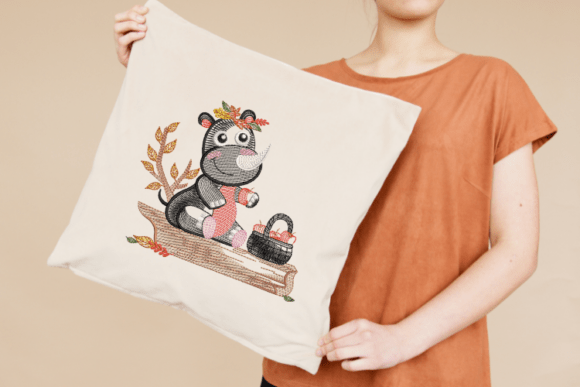
- Nursery Decor: Imagine this stitched onto a canvas wall hanging or a plush pillow. It adds a touch of wild elegance to a child’s room.
- Personalized Towels: An embroidered towel featuring this rhino face, perhaps accompanied by a child’s name, makes for a high-value personalized gift. The bold lines of the design ensure visibility even on textured terry cloth.
- Tote Bags and Aprons: For the eco-conscious shopper, stitching this onto a canvas tote or a kitchen apron creates a charming small shop product that stands out at craft fairs.
For Etsy sellers and small business owners, this versatility means you can create multiple listings from a single digital embroidery file. You might offer it as part of a safari-themed bundle or as a standalone accent for custom orders.
Technical Considerations for Professional Results
While the aesthetic is appealing, the technical execution determines whether a product returns as a complaint or a five-star review. Here are the practical notes from my testing process.
Fabric and Stabilizer Selection
The success of any embroidery file depends heavily on the substrate. For this rhino design, I recommend using a cut-away stabilizer for stretchy fabrics like baby onesies to prevent distortion over time. For woven fabrics like pillowcases or tote bags, a tear-away stabilizer may suffice, but always test first. The fabric texture plays a crucial role; on high-pile towels, the details might get lost, so consider using a water-soluble topping to keep the stitches crisp.
Hoop Size and Stitch Density
Before purchasing or using this design, you must check the included hoop size options. Ensure the design fits within your machine’s maximum hoop area without requiring re-hooping, which can lead to alignment issues. Regarding stitch density, observe how the thread lays on your test fabric. If the design appears too dense, it may cause the fabric to pucker or the needle to break. If it is too sparse, the backing fabric might show through, especially on lighter colors.
Thread Color Contrast
Color choice can make or break the visual impact. On dark fabrics, ensure you use high-contrast thread colors to make the rhino’s features pop. Conversely, for a subtle, elegant look on pastel baby blankets, choose tonal threads that blend softly with the background. Always stitch a test sample to verify that the color transitions work harmoniously.
Navigating Potential Challenges
No design is without its limitations. When using The Cute Rhino Face Embroidery Design, be cautious with extremely small lettering if you plan to combine it with text. Delicate details can become muddy if the scale is reduced too much. Additionally, curved surfaces like the toe of a sock or the corner of a pillow require careful hooping to avoid skewing the image.
For products that undergo frequent washing, such as kitchen towels or baby clothes, ensure your thread quality is high and your tension is correctly calibrated. A poorly stitched design will fray quickly, damaging your reputation as a provider of quality finished product items.
Enhancing Giftability and Perceived Value
From a business perspective, this design enhances the perceived value of your offerings. A simple monogram is nice, but a themed motif like this rhino face tells a story. It creates an emotional connection with the buyer, who might be shopping for a wedding gift for expectant parents or a unique birthday present. This emotional hook increases buyer engagement and can justify a higher price point.
When photographing your items for online listings, use the design to create lifestyle shots. A blanket embroidery featuring the rhino face draped over a wooden chair looks far more inviting than a flat lay. These visuals help customers imagine the product in their own homes, boosting conversion rates for your commercial embroidery ventures.
Final Verdict for Makers
The Cute Rhino Face Embroidery Design is a solid addition to any designer’s library, particularly for those specializing in children’s items and nature-inspired decor. It balances charm with technical feasibility, provided you pay attention to stabilizer choice and fabric compatibility. Before offering it for sale, always verify the commercial licensing terms associated with the digital embroidery file to ensure compliance. Create a printable mockup or stitch out samples on various materials to build confidence in your final output. With careful execution, this design can become a staple in your portfolio, delighting customers with its unique safari spirit and handmade quality.